
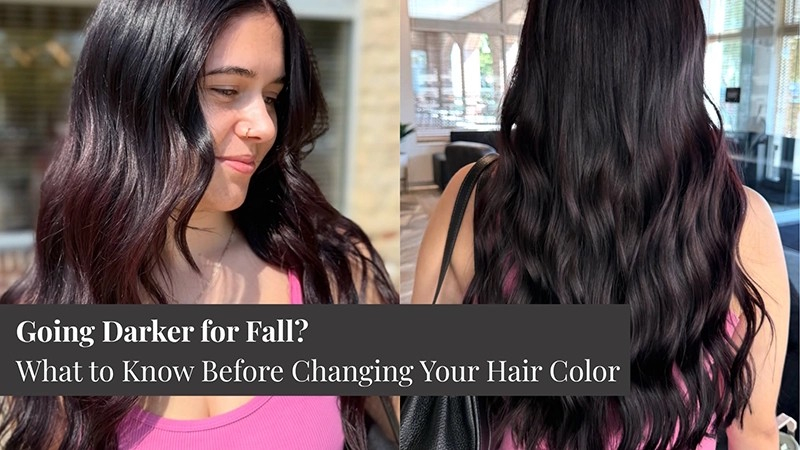
There is something about fall that makes richer hair color feel especially tempting.
The light changes. Wardrobes deepen. Warm browns, polished brunettes, dimensional auburns, and glossy espresso shades begin appearing in inspiration feeds. After a summer of brightness, going darker can feel sophisticated, healthy, and completely right for the season.
It can also be a bigger decision than it appears.
Adding depth is often easier than creating lightness, but changing your mind later may require more time, maintenance, and professional care than expected. Before committing to a darker shade, it helps to understand what “going darker” can mean and how your stylist can personalize the change.
First, Decide What “Darker” Means to You
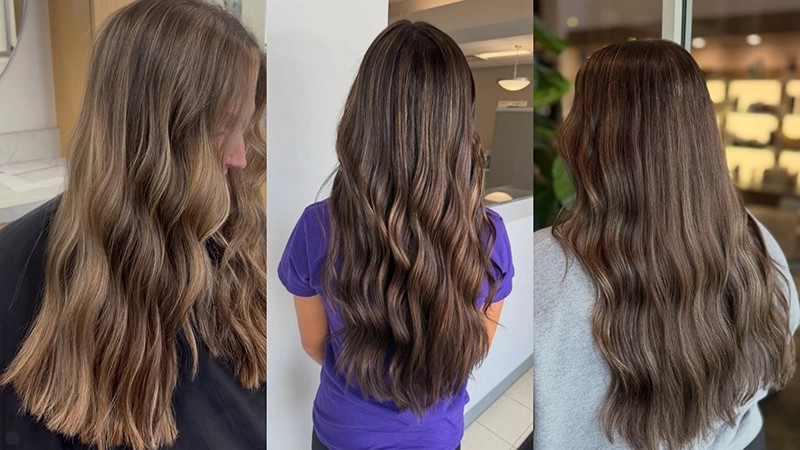
When someone says, “I want to go darker,” they may be imagining several different changes.
You might want:
- A slightly deeper version of your current color
- Less brightness around the face
- A richer or warmer tone
- A cooler, smokier brunette
- More contrast and dimension
- An all-over transformation
- A temporary seasonal change
- A return closer to your natural color
These are not all the same service or commitment.
Sometimes the desired result can be achieved by adjusting tone rather than dramatically changing the overall depth. A warm caramel blonde may feel more autumnal without becoming brunette. A few strategically placed lowlights can add dimension while preserving brightness. A color gloss may deepen or refine the existing tone while adding shine and allowing for a softer transition.
Bring several inspiration photos to your consultation, including examples of colors you do not like. The difference between “rich chocolate,” “soft espresso,” and “cool dark brown” can be subjective. Images give your stylist a clearer understanding of what your words mean to you.
Consider Your Starting Point
Your current hair color and color history help determine what is possible in one appointment.
Hair that is naturally light, professionally lightened, highlighted, previously colored, or highly porous may respond differently when deeper color is added. If your hair has been lightened significantly, your stylist may need to restore some of the underlying warmth that was removed before applying the final darker shade.
This helps the new color appear rich and balanced rather than hollow, muddy, or unexpectedly cool.
Tell your stylist about previous color services, even if they happened months ago or at another salon. Box color, temporary color, toners, highlights, fashion shades, and corrective services are all part of the story. If you are unsure, share what you remember.
A thorough consultation is not about making the process feel complicated. It gives your stylist the information needed to protect the condition of your hair and create a more predictable result.
Darker Does Not Automatically Mean One Solid Color
One of the greatest misconceptions about going darker is that the hair must become one uniform shade from roots to ends.
Beautiful brunette and darker color often include variation. Subtle highlights, lowlights, a lighter face frame, or multiple tones can create movement and keep the result from feeling flat or heavy.
Your haircut, texture, skin tone, eye color, and natural color all influence how depth should be placed. Curly and coily hair may reveal dimension differently than smooth or straight hair. Fine hair may benefit from visual movement, while very dense hair may need thoughtful placement so the color does not appear overly solid.
Ask your stylist whether preserving some brightness would make the transition feel more natural. The most flattering result may be deeper overall while still allowing light to move through the hair.
Think About Warm, Cool and Neutral Tones
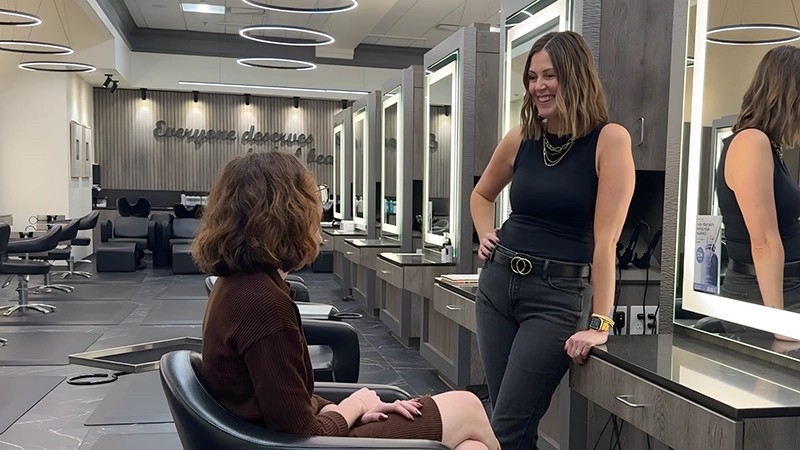
Depth describes how light or dark a color appears. Tone describes its character.
Warm brunette shades may include golden, caramel, copper, cinnamon, or chestnut notes. Cooler options may lean toward ash, mushroom, smoky brown, or deeper espresso. Neutral shades balance warmth and coolness for a more understated result.
Your wardrobe and makeup preferences can offer useful clues. If you feel especially good in warm metals, earthy colors, or rich autumn tones, you may enjoy warmth in your hair. If you gravitate toward crisp neutrals, silver jewelry, or cooler colors, a neutral or cooler brunette may feel more familiar.
These are not rigid rules. Your stylist can customize the formula and placement so the color works with you rather than simply following a seasonal trend.
Ask How Permanent You Want the Change to Be
Kenneth’s offers temporary, semi-permanent, demi-permanent, and permanent color options. The right choice depends on your current hair, desired result, gray coverage needs, and how long you want to keep the darker shade.
A Kenneth’s Color Gloss is a demi-permanent option that can refine tone, refresh faded color, add shine, or introduce depth with softer regrowth as it gradually fades. For some guests, this can be an appealing way to explore a richer seasonal direction without immediately choosing the greatest possible commitment.
However, “demi-permanent” does not mean the hair will necessarily return to its previous shade on a specific date. Porous or previously lightened hair may hold darker pigment differently. Your stylist can explain what to expect based on your starting point.
Ask one important question during your consultation: “What happens if I want to be lighter again?”
Your Future Hair Goals Matter
The color you want in October should be considered alongside the color you may want next spring.
If you know you will eventually want very light highlights or an overall blonde result again, tell your stylist before going dramatically darker. Removing artificial dark pigment can require multiple appointments, additional investment, and patience. Trying to reverse the color too quickly can compromise the hair.
This does not mean you should avoid going darker. It simply means your stylist may recommend a more flexible approach, such as a gloss, lowlights, retained brightness, or a gradual transition.
A thoughtful color plan considers both today’s inspiration and tomorrow’s possibilities.
Healthy-Looking Color Still Depends on Healthy Hair
Darker hair often appears shinier because it reflects light beautifully, but color alone cannot repair dryness, breakage, or an uneven surface.
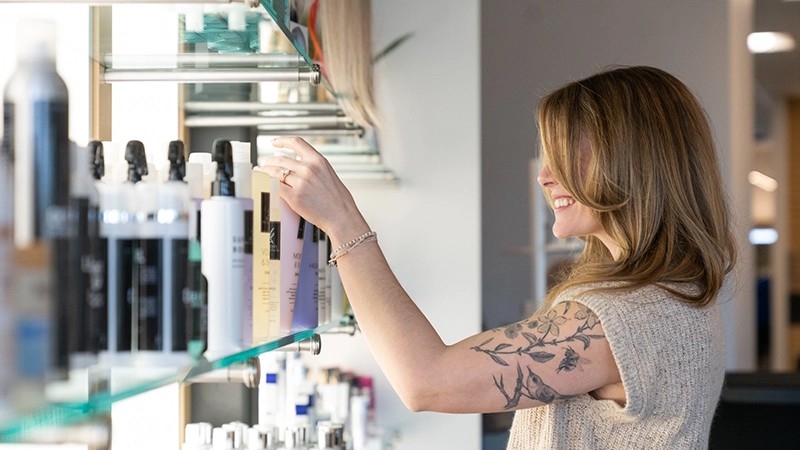
Before or during your appointment, ask your stylist to assess your hair’s condition. Kenneth’s currently offers targeted hair treatments designed to support concerns such as moisture balance, strength, breakage, bond care, and shine. Your stylist can recommend whether an in-salon treatment should accompany your color service.
Home care matters, too. Ask which cleanser, conditioner, treatment, heat protection, and styling products will help protect your color and support the way you wear your hair. The best routine is not necessarily the longest one. It is the routine that meets your needs and fits your life well enough to use consistently.
Maintenance May Be Different, Not Necessarily Greater
Going darker is sometimes described as low maintenance, but that depends on the result.
A shade close to your natural color may grow out softly. A darker color over very light hair may show fading or require gloss appointments to maintain richness. Gray coverage creates its own schedule. Reds and warm brunettes may need added attention to keep their tone looking intentional.
Make sure to ask your stylist:
- How often will I need to refresh the color?
- Will I need separate gloss appointments?
- How will the shade fade?
- What will my regrowth look like?
- Which home-care steps matter most?
- What should I budget for maintenance?
The answers help ensure that you love not only the first-day result but also the weeks that follow.
Ready for a Richer Fall Color?
Going darker can be subtle, dramatic, temporary, dimensional, warm, cool, or completely transformative. There is no single version of brunette and no requirement to abandon every trace of summer brightness.
The best fall color is not simply the darkest shade you can choose. It is the one that complements your features, respects your hair’s history, supports its condition, and fits where you may want to go next.
Explore Kenneth’s hair color services and schedule a consultation with your stylist. Bring your inspiration, your questions, and your future hair goals. Together, you can create a richer seasonal color that feels exciting now and still makes sense long after the leaves have changed.
Book online or call Kenneth’s at 614-538-5800 to begin your fall color conversation.