
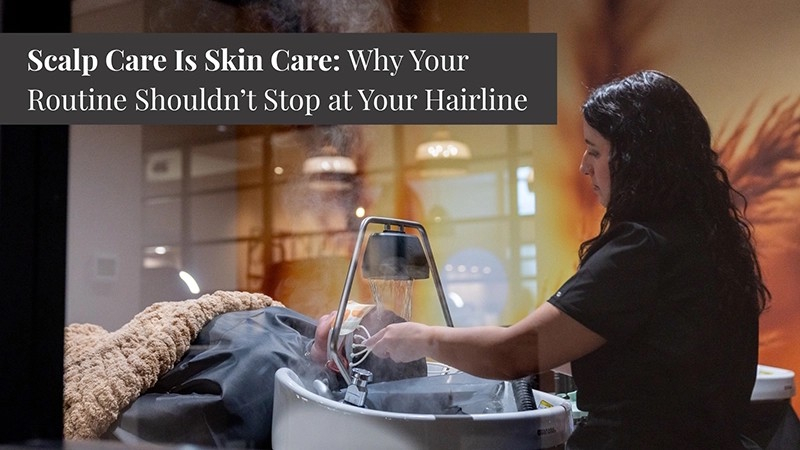
Most beauty routines have a clear dividing line.
Skincare ends at the hairline. Haircare begins with the strands. We cleanse, exfoliate, moisturize, and protect the skin on our face, then expect shampoo and conditioner to handle everything above it.
But your scalp is skin, too.
It produces oil, sheds skin cells, reacts to products, and responds to changes in weather, stress, hormones, and daily habits. When it feels balanced, we rarely think about it. When it becomes dry, oily, flaky, sensitive, or uncomfortable, it can affect how our hair looks, feels, and behaves.
The point is not to create another complicated beauty routine. It is simply to extend some of the attention you already give your face a few inches farther.
Your Scalp May Be Asking for Attention
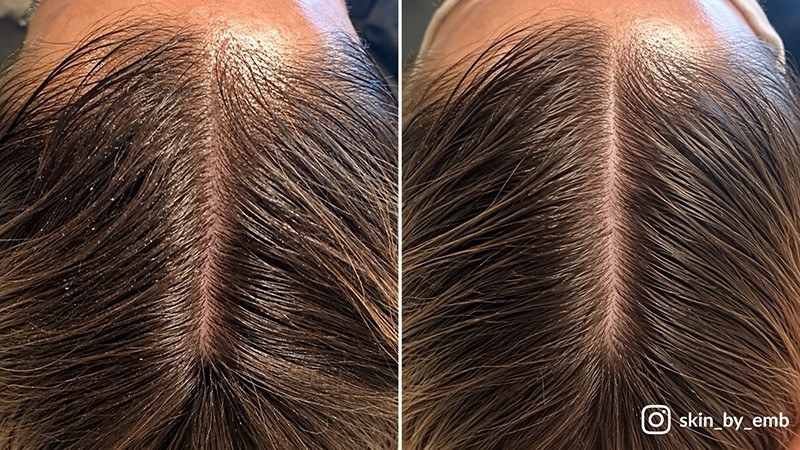
Scalp concerns are not always dramatic. They can begin as small changes that are easy to dismiss.
You may notice:
- Flaking on your clothing or near the hairline
- Tightness or discomfort after shampooing
- Oiliness that seems to return quickly
- Dryness or itching
- Product buildup around the roots
- Tender or sensitive areas
- Hair that feels weighed down soon after washing
- A scalp that never seems completely clean
- Changes in density, shedding, or fullness
These observations do not necessarily reveal the cause, but they provide useful information to share with your stylist. Instead of simply saying, “My scalp is bad,” describe what you notice, how long it has been happening, and whether anything has recently changed.
A new shampoo, medication, styling routine, season, exercise schedule, or frequency of washing may be relevant. Your stylist can help identify when a salon or home-care adjustment may be appropriate and when a concern should be discussed with a medical professional.
Buildup Is Not Always the Same as Dryness
Flaking often leads people to assume that their scalp is dry, but visible flakes and discomfort can have different causes. Product residue, excess oil, infrequent cleansing, over-cleansing, environmental changes, and certain scalp conditions can sometimes look or feel similar.
This is why adding more oil, scrubbing harder, or switching products repeatedly does not always help.
Dry shampoo, styling products, natural oils, sweat, and minerals from water can accumulate over time. Meanwhile, aggressive cleansing or frequent scratching may leave the scalp feeling more uncomfortable.
Ask your Kenneth’s stylist what they notice during your consultation. A professional view of the scalp can help clarify whether your current cleansing habits and products are supporting your needs or contributing to the problem.
Cleanse Thoroughly, but Gently
Healthy scalp care does not require attacking the roots.
When shampooing, focus the cleanser primarily on the scalp rather than piling the lengths of the hair on top of your head. Use the pads of your fingertips to massage gently. Fingernails can scratch and irritate the skin, particularly if it is already sensitive.
Rinse thoroughly. Remaining shampoo, conditioner, or styling product can leave the scalp feeling coated or uncomfortable.
How often you should wash depends on your scalp, texture, styling habits, activity level, and products. Someone with an oilier scalp who exercises frequently may need a different schedule than someone with a dry scalp and tightly coiled hair.
Ask your stylist how often they recommend cleansing and whether your current shampoo is appropriate for both your scalp and your hair.
Be Thoughtful With Dry Shampoo
Dry shampoo can be a valuable styling tool. It absorbs oil, refreshes the roots, and can help extend a finished style.
It is not, however, a replacement for cleansing.
Repeatedly layering dry shampoo over oil, sweat, and styling products can contribute to buildup. Use it intentionally, then cleanse thoroughly when it is time to wash.
Application matters as well. Follow the product directions, avoid automatically oversaturating the scalp, and give the product time to work before adding more.
If you rely on dry shampoo frequently, mention that to your stylist. They can help you determine whether your routine needs an occasional deeper reset or a different balance between refreshing and washing.
Exfoliation Should Have a Purpose
Because facial exfoliation is familiar, it is tempting to assume the scalp should be scrubbed the same way. That is not always the best approach.
Physical scrubs, cleansing brushes, and exfoliating treatments can be helpful for some people, but more pressure does not equal a cleaner or healthier scalp. Overuse may create sensitivity or disturb a scalp that already feels uncomfortable.
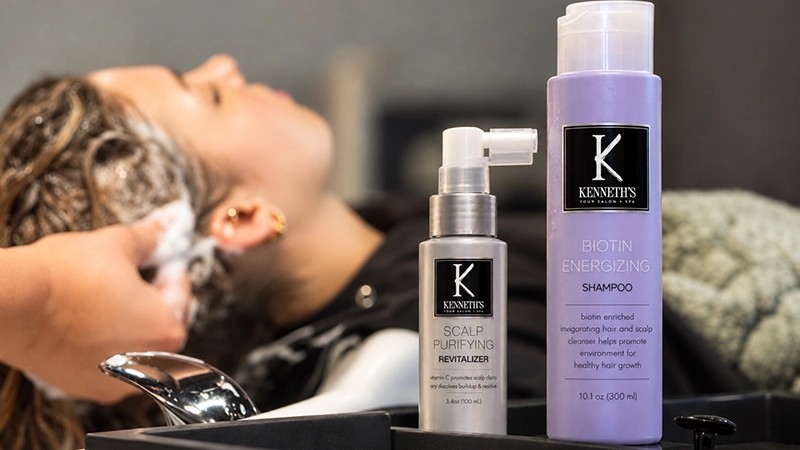
Kenneth’s Scalp Purifying Revitalizer is designed to help gently exfoliate and remove buildup with fruit acids and apple cider vinegar while vitamin C supports scalp clarity and comfort.
Ask your stylist whether a scalp exfoliating product belongs in your routine, how often to use it, and how it should fit with your regular cleanser. Scalp care works best when the steps respond to an actual need rather than simply adding another product.
Remember That Your Scalp and Hair May Need Different Things
Your scalp can be oily while your ends are dry. Your roots may need thorough cleansing while color-treated lengths need moisture and protection. Curly hair may need careful hydration while the scalp still requires regular cleansing.
This is where a customized routine becomes valuable.
Instead of selecting every product based on one concern, ask your stylist to help separate the needs of your scalp from the needs of your hair. The right cleanser, conditioner, treatment, and styling plan should work together without forcing one product to solve everything.
Apply products where they are intended to go. Conditioner and rich treatments are usually focused through the midlengths and ends unless the instructions or your professional recommend otherwise. Styling products should be used with similar purpose, particularly if your scalp becomes oily or coated easily.
Consider a Professional Scalp Experience
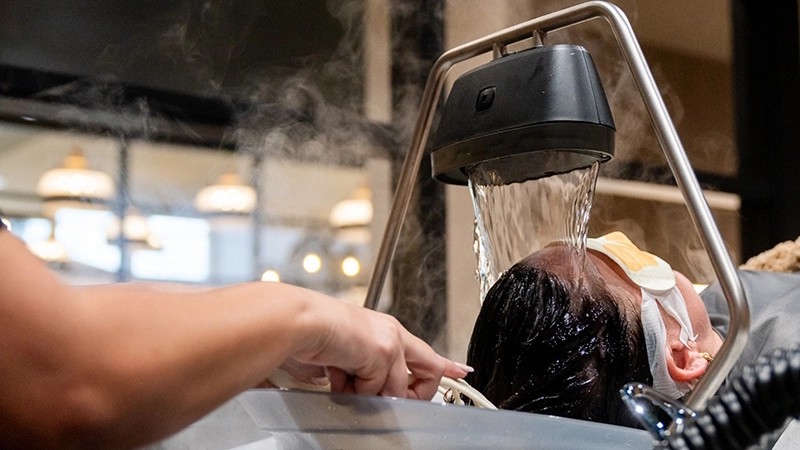
Home care maintains a routine, but a professional service can provide a closer look and a more immersive reset.
Kenneth’s Yume Japanese Head Spa combines scalp-focused care with a deeply relaxing experience. The service includes soothing scalp massage and revitalizing treatments designed to promote relaxation and overall well-being.
For many guests, the appeal is the combination. You can give attention to an often-overlooked part of your beauty routine while stepping away from the pace of the day.
Ask whether the Head Spa is appropriate for your scalp concerns and what you should do at home afterward. If you experience persistent irritation, sores, sudden shedding, or another significant change, a licensed medical professional should evaluate the concern.
Start at the Root
Scalp care does not need to become an elaborate project. Begin by noticing.
Pay attention to how your scalp feels after cleansing, how quickly oil or buildup returns, which products touch the roots, and whether anything changes with the season. Then bring those observations to your stylist.
Explore the Kenneth’s Japanese Head Spa experience or schedule your next hair appointment and ask for a scalp-care conversation. Your stylist can help simplify your routine, recommend appropriate care, and connect what happens at the roots with the hair you see every day.
Book online or call Kenneth’s at 614-538-5800. Sometimes better hair care begins by looking just beneath it.