
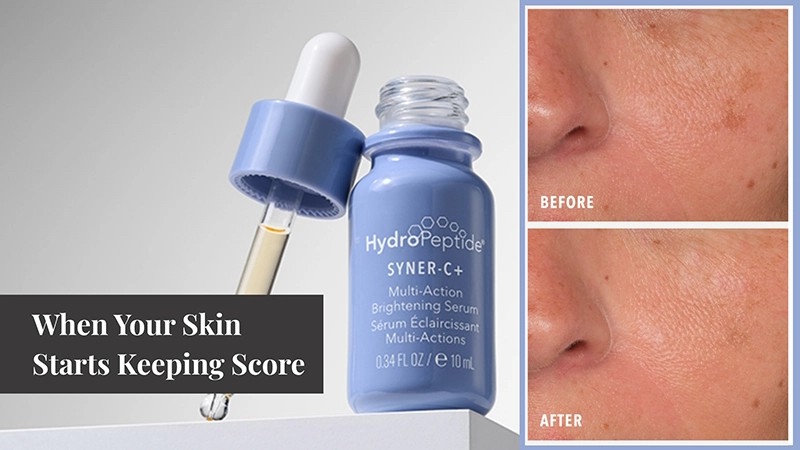
What dark spots, uneven tone and fading radiance may be telling you
Sometimes a change in the skin is easy to trace. A blemish disappears but leaves a dark reminder. A summer outdoors becomes a scattering of spots that remain long after the tan fades. Pregnancy, hormonal changes or certain medications seem to alter the complexion almost overnight.
Other changes are harder to pinpoint. Skin simply begins to look less even, less luminous or more tired than it once did. Makeup does not sit quite the same. Areas around the cheeks, forehead or upper lip appear darker. The brightness you remember has quietly become harder to find.
This does not necessarily mean you have done something wrong. It may simply mean your skin has been keeping score.
Pigmentation has a history
Our skin creates melanin as part of its natural defense system. Sunlight signals pigment-producing cells to become more active, which is why discoloration often appears or deepens in areas receiving the greatest exposure.
Hormones can also influence pigment production, particularly during pregnancy, menopause or changes in hormonal medications. Melasma, for example, is often associated with both hormonal activity and sun exposure.
Then there are the marks left behind by inflammation. Acne, eczema, irritation, picking at a blemish or an overly aggressive skincare treatment can leave post-inflammatory hyperpigmentation after the original problem has healed.
These concerns may appear as:
- Brown spots that become more noticeable over time
- Uneven tone across the cheeks or forehead
- Marks remaining after blemishes
- Discoloration around the upper lip or jawline
- A complexion that looks dull even when it feels hydrated
- Early fine lines accompanied by a loss of clarity
These conditions frequently overlap. That is why a single-purpose product may offer limited satisfaction. Brightening the complexion, addressing discoloration and supporting the skin’s overall condition are connected goals.
A more intelligent approach to vitamin C
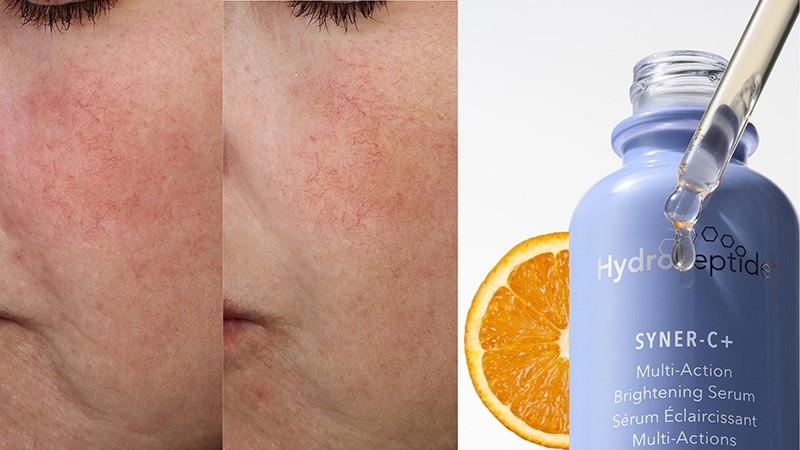
Vitamin C has earned its place in skincare because it provides antioxidant support and can improve the appearance of discoloration, uneven tone and visible environmental damage. But “contains vitamin C” does not tell the whole story.
Vitamin C can be challenging to formulate. Some forms are unstable, while highly concentrated formulas can be difficult for certain skin types to tolerate. A product is only useful if it remains effective in the formula and comfortable enough to use consistently.
HydroPeptide Syner-C+ Multi-Action Brightening Serum takes a more comprehensive approach. Rather than asking one ingredient to do everything, it combines a stable form of vitamin C with niacinamide, tranexamic acid, arbutin and peptide technology.
Each contributes something different:
- 3-O ethyl ascorbic acid is a stable vitamin C derivative that provides antioxidant protection while supporting a brighter, more even-looking complexion.
- Niacinamide, also known as vitamin B3, helps improve the appearance of uneven tone, enlarged pores and fine lines while supporting the skin barrier.
- Tranexamic acid is increasingly used in topical skincare to address the appearance of stubborn discoloration.
- Arbutin helps reduce the appearance of excess pigment and promotes a more uniform tone.
- Peptides help support the skin’s resilience, renewal and visible signs of healthy aging.
Research supports the usefulness of formulas combining vitamin C, niacinamide, tranexamic acid and arbutin for improving visible hyperpigmentation. That does not mean every dark spot will disappear or that one serum replaces professional care. It does mean the strategy behind Syner-C+ is credible and thoughtfully aligned with the concerns it is designed to address.
HydroPeptide also evaluated Syner-C+ over 12 weeks, with participants showing visible improvement in dark spots, brightness, radiance and overall evenness. These findings are evidence of the product’s potential, not a promise that everyone will experience identical results. The practical takeaway is that Syner-C+ is intended to create progressive improvement through consistent use, not simply provide a temporary glow.
Could your skin benefit?
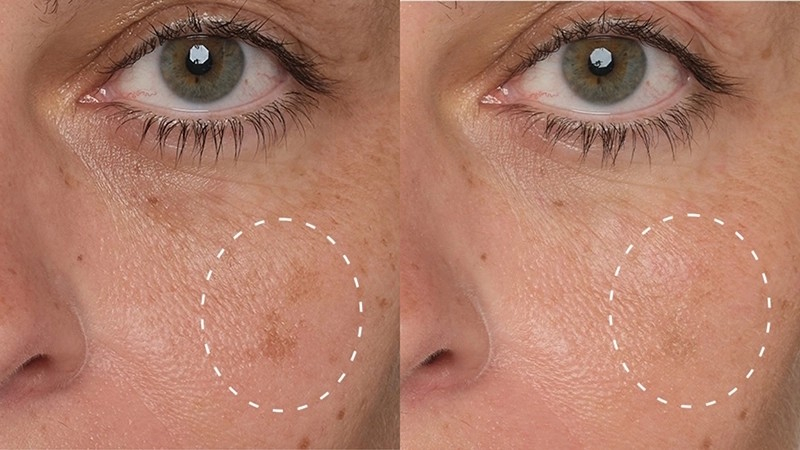
Syner-C+ may be worth discussing with your esthetician if you have noticed discoloration following breakouts, increasing sunspots, a dull or uneven complexion, visible environmental damage or early signs of aging.
It may also be helpful for someone who has tried vitamin C before but found it irritating, unpleasant to use or difficult to fit into a routine. A well-formulated serum can make consistency easier, and consistency is where skincare usually succeeds or fails.
Of course, not every spot is cosmetic. A mark that changes in size, color, shape or texture, or one that bleeds, itches or does not heal, should be evaluated by a dermatologist.
Three ways to protect your progress
Use sunscreen every day.
Continued sun exposure can stimulate new pigment and deepen existing discoloration, working against everything your brightening products are trying to accomplish.
Do not attack your skin.
More exfoliation is not always better. Irritation creates inflammation, and inflammation can contribute to additional pigmentation.
Give the process time.
Pigmentation usually improves gradually. Take a makeup-free photograph in consistent lighting before beginning a new regimen, then compare again after several weeks.
A quick Syner-C+ FAQ
Where does it go in my routine?
Apply a small amount to clean, dry skin on the face and neck, followed by moisturizer. During the day, always finish with sunscreen.
How quickly should I expect a change?
Some people may notice greater radiance sooner, but visible pigmentation requires patience. Since HydroPeptide evaluated the serum over 12 weeks, that is a more realistic window for assessing meaningful progress.
What if I have sensitive skin?
Introduce any active product thoughtfully. Your esthetician can recommend the appropriate frequency and help you use Syner-C+ alongside exfoliants, retinoids or other corrective products.
The goal is clearer skin, not different skin
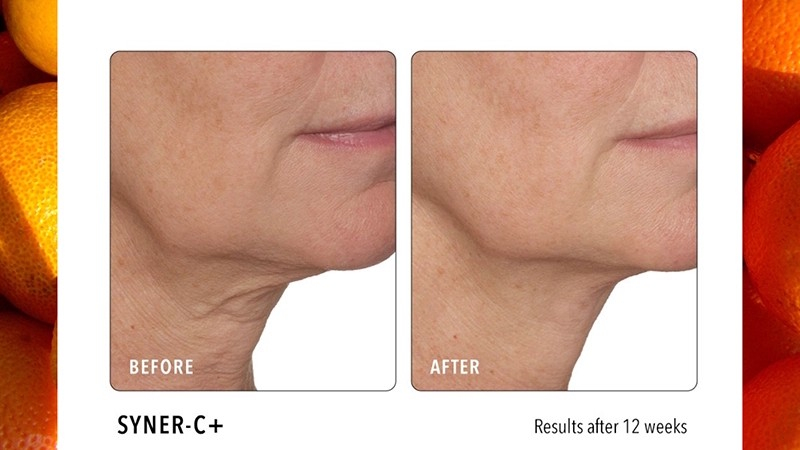
Brightening should never be confused with changing your natural skin tone. The goal is to address areas where excess pigment, accumulated exposure and inflammation have interrupted its evenness and clarity.
Syner-C+ offers a sophisticated option for doing that. More importantly, it creates an opportunity to recognize what your skin may be communicating and build a routine around its actual needs.
Ask your Kenneth’s esthetician whether Syner-C+ belongs in your skincare regimen. A personalized recommendation can help you use it effectively, pair it appropriately and protect the results you are working to achieve.